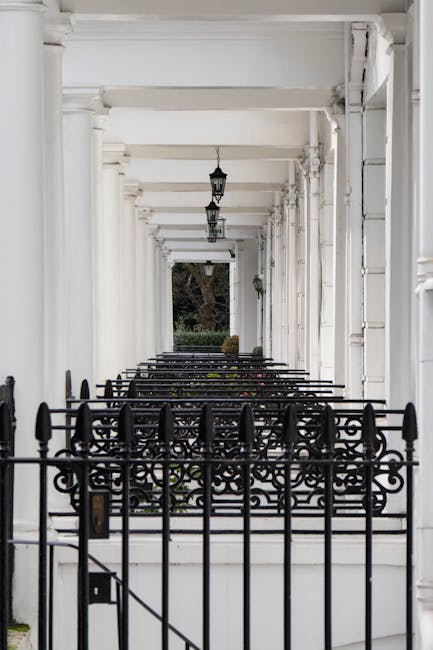
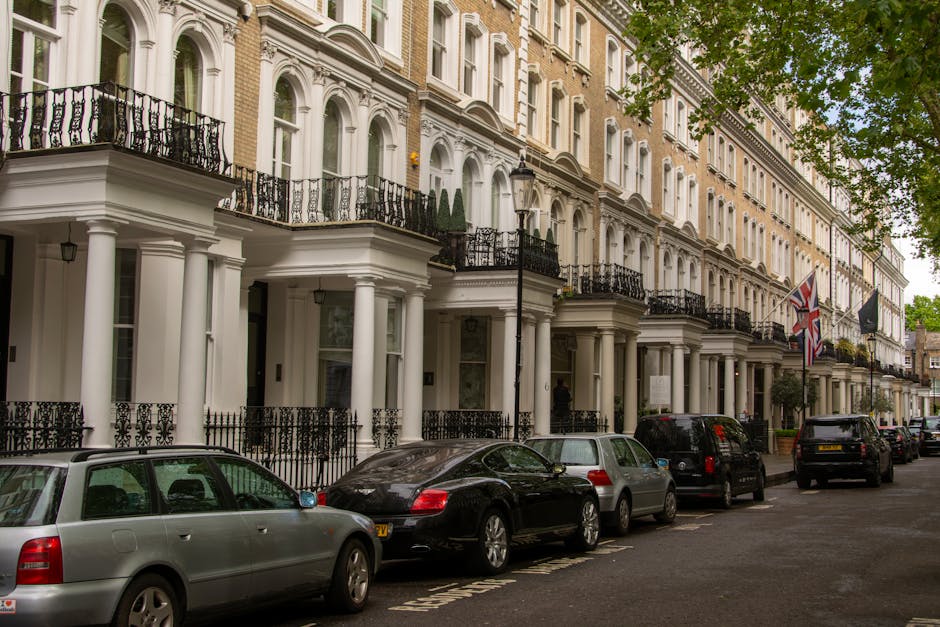
Problems accessing Georgian terraces for Highbury removals
If you live in or are moving to one of Highbury's Georgian terraces, you probably already know the charm comes with a catch. Lovely proportions, sash windows, narrow front steps, tucked-away basements, awkward landings, and no real space to swing a sofa without a bit of planning. That is exactly why Problems accessing Georgian terraces for Highbury removals deserve proper attention before moving day. In a street where parking is tight and the staircase seems to turn just when you need it to be straight, small access issues can quickly become the thing that slows everything down.
This guide breaks down the practical realities of terrace access, what usually goes wrong, how professionals work around it, and what you can do to make the move calmer, safer, and less stressful. If you want to avoid the classic "it looked fine from the pavement" moment, you are in the right place.
Table of Contents
- Why Problems accessing Georgian terraces for Highbury removals Matters
- How Problems accessing Georgian terraces for Highbury removals Works
- Key Benefits and Practical Advantages
- Who This Is For and When It Makes Sense
- Step-by-Step Guidance
- Expert Tips for Better Results
- Common Mistakes to Avoid
- Tools, Resources and Recommendations
- Law, Compliance, Standards, or Best Practice
- Options, Methods, or Comparison Table
- Case Study or Real-World Example
- Practical Checklist
- Conclusion
- Frequently Asked Questions
Why Problems accessing Georgian terraces for Highbury removals Matters
Georgian terraces are beautiful, but they were not designed around modern furniture, bulky appliances, or the logistics of a full household move. Many have narrow entrance halls, steep stairs, compact landings, basement rooms, railings that limit manoeuvring, and front gardens or steps that reduce turning space. Even when a property looks straightforward, the true challenge often appears once the van arrives and the first large item has to come through the front door.
That matters because access problems do more than slow things down. They can increase the risk of damage to walls, bannisters, floors, and furniture. They can make lifting heavier items awkward for the team. And, to be fair, they can turn a moving day that should feel organised into one long shuffle of "can we just tilt it a bit more?"
In Highbury, another factor is the street environment. Parking can be limited, vehicles may need to stop carefully, and there may be neighbours, cyclists, or delivery traffic to work around. The result is that access planning becomes just as important as packing. Sometimes more important.
Good access planning also helps you make a better decision about the type of service you need. A simple man and van arrangement may suit a lighter move, while fuller household relocations may need a larger team and more time. That is where proper assessment pays off.
How Problems accessing Georgian terraces for Highbury removals Works
In practice, solving access problems is a process of identifying the obstacles before the team starts carrying anything. A removals crew will normally look at how the property is laid out, what can be moved safely by hand, what may need dismantling, and whether the route from the room to the vehicle is realistic for large items.
The most common pinch points are surprisingly predictable:
- tight staircases with awkward turns
- low ceilings or sloped ceilings on upper floors
- restricted door widths
- basement entrances or split-level layouts
- limited frontage for loading
- shared hallways in converted terraces
- fragile decorative features such as cornicing, bannisters, or tiles
Once those are identified, the move can be planned around them. That may mean removing furniture legs, taking doors off hinges, wrapping delicate edges, using additional blankets or sliders, or loading the van in a particular order so the largest items are not left until the end of the day when everyone is tired. Small things. Big difference.
It also helps to think in terms of route, not just room. A sofa that fits in the living room may still fail at the staircase bend. A bed frame can be easy in pieces, yet awkward if the hallway narrows by the front door. The best movers look at the whole path, not just the item itself.
If storage or temporary holding space is needed because access is too tight for everything to go out in one go, a service such as storage can sometimes take pressure off the schedule. That is not always necessary, but it can be a sensible fallback when the layout is stubborn.
Key Benefits and Practical Advantages
Planning around access issues is not just about avoiding problems. It can make the whole move feel more controlled, less tiring, and frankly much less chaotic.
Here are the main practical advantages:
- Less risk of damage. Fewer scrapes on plasterwork, skirting, paint, and furniture edges.
- Better timing. The move is more likely to stay on schedule when awkward items are handled in the right order.
- Safer lifting. A careful plan reduces the chance of strained backs, bumped knuckles, or a heavy item getting stuck halfway.
- More accurate quoting. If access is understood early, you are less likely to get surprises on the day.
- Better use of labour. The right crew size matters when stairs are tight and every item takes a little extra thought.
There is also a quieter benefit that people often underestimate: peace of mind. Moving is already noisy, busy, and full of decisions. When the access side is sorted, the day tends to feel a bit steadier. You notice it in small ways - fewer pauses, fewer raised voices, fewer "hang on, let me try another angle" moments.
For many homes, a broader service package makes sense. If you are moving from a terrace but also need help with packing or fragile items, a combined option like packing and unpacking services can reduce pressure before the first box even leaves the house. Useful, especially if you are juggling work, children, or an awkward completion time.
Who This Is For and When It Makes Sense
This topic matters to anyone moving in or out of a Georgian terrace in Highbury, but some situations make access planning especially important.
You will likely need a more considered approach if you are:
- moving from a terrace with a narrow staircase or tight hallway
- relocating a family home with bulky furniture and lots of boxes
- moving a rented flat inside a converted Georgian property
- handling a basement or top-floor move with multiple flights of stairs
- trying to move on a street with limited parking or waiting restrictions
- taking out fragile, high-value, or oversized items
It also makes sense if you have a piano, antique sideboard, large wardrobe, or anything that clearly did not come from a flat-pack showroom. For those jobs, a specialised service such as piano removals or furniture removals may be a better fit than a standard carry-out. Not because every item is impossible - not at all - but because the right handling method matters more than people expect.
Truth be told, even a modest move can get complicated if access is poor. A one-bedroom terrace can take longer than a larger property with a wide, straight staircase. It sounds odd until you have stood at the bottom of a tight bend with a mattress that seems to have developed opinions of its own.
Step-by-Step Guidance
If you want to avoid last-minute stress, treat access planning as a proper part of the move. Here is a practical way to approach it.
- Walk the route from room to vehicle. Look at every doorway, corner, stair turn, landing, and exterior step. If the route feels awkward in your head, it will probably feel awkward in real life too.
- Measure the awkward bits. Door widths, stair width, ceiling height, and the size of large furniture all matter. You do not need a builder's notebook, just clear dimensions.
- Check parking and stopping options. Think about where the van can legally and safely pause without blocking neighbours or creating unnecessary delays.
- Identify items that may need dismantling. Bed frames, tables, wardrobes, and some shelving can be easier in parts than in one piece.
- Separate fragile or valuable items early. Mirrors, artwork, and glass should not be treated like ordinary boxes.
- Decide whether extra labour or specialist handling is needed. A simple flat move and a tight terrace move are not the same job, even if the inventory looks similar on paper.
- Share the access details before moving day. The earlier the crew knows about the stairs, the better the planning becomes.
- Keep hallways and exits clear. This one sounds basic, but it saves time, reduces stress, and helps everyone stay safer.
One useful habit is to check the property at the same time of day you expect to move. In the early morning, a street may feel calm; later, parked cars and deliveries can change the picture completely. A quick look can prevent a whole lot of shuffling later on.
Expert Tips for Better Results
There are a few small adjustments that can make a big difference when Georgian terrace access is tight.
First, protect the route, not only the item. People often wrap the sofa and forget the wall on the turn by the stairs. A blanket on a bannister or a floor runner in a tight corridor can save a surprising amount of hassle.
Second, think about loading order. If the largest items are placed in the van first, you can avoid the stressful situation where a bulky wardrobe is left to the end and suddenly there is no clean way to angle it out. Happens all the time. Annoying, but fixable.
Third, be realistic about timing. A terrace move with tight access usually needs a bit more breathing room than a straightforward house move. Rushing through it rarely helps.
Fourth, keep a "do not move yet" zone. Put keys, documents, phones, chargers, and kettle essentials somewhere separate. You do not want them bundled in with random kitchen boxes.
Fifth, use the right type of move for the job. A lighter load might suit man with van support, while a fuller property can be better handled through home moves or even house removals. Matching the service to the access situation is often the smartest move, no pun intended.
A small, slightly nerdy note from the real world: good moving jobs rarely look dramatic. They look calm. That calm usually comes from simple preparation rather than heroic lifting.
Common Mistakes to Avoid
Most access problems do not come from one big failure. They come from a handful of small assumptions that add up.
- Assuming the staircase will be fine. The staircase is never just "fine" until the sofa has actually made the turn.
- Not mentioning basement or loft access. These areas often change the whole approach.
- Forgetting about parking restrictions. Even a short stop can become a problem if it was never planned properly.
- Leaving dismantling too late. Furniture that should have been taken apart the night before becomes a delay on the day.
- Overpacking boxes. Heavy boxes are harder to carry through tight spaces and are more likely to split.
- Ignoring delicate finishes. Georgian homes often have features that look sturdy but can mark very easily.
- Booking the wrong size vehicle. A van that is too small creates extra trips; one that is too large may be harder to place on a narrow street.
One of the most common oversights is failing to tell the movers about access constraints because they seem obvious to you. But if you live there every day, you have mentally adapted to the house. Someone arriving fresh does not have that map in their head.
Tools, Resources and Recommendations
You do not need a big toolkit to prepare for a terrace move, but a few practical items help a lot.
- Measuring tape for doorways, stair widths, and furniture dimensions
- Furniture blankets and covers to protect corners, frames, and painted surfaces
- Strong packing tape and labels so boxes stay organised
- Basic screwdriver or hex key set for dismantling beds or shelving
- Gloves with grip for better handling of awkward items
- Floor protection if you have polished wood, tiles, or fragile historic flooring
It is also worth looking at the broader service options if access is tight. For example, packing and boxes can help reduce last-minute chaos, while removal services offer a more complete solution when the move is complex. If you are shifting a single bulky item rather than a full household, furniture pick-up may be the more practical route.
There is also a sustainability angle worth considering. Reusing boxes, reducing unnecessary trips, and planning the load carefully can cut waste and time. If that matters to you, it usually should, a quick look at recycling and sustainability may be helpful when deciding what to keep, pass on, or dispose of responsibly.
Law, Compliance, Standards, or Best Practice
For a household move, the legal and compliance side is usually less about complicated paperwork and more about doing things safely and sensibly. That includes safe lifting, sensible vehicle positioning, and respecting neighbours, shared spaces, and access routes.
In UK removals work, best practice usually means:
- planning loads so items are lifted safely and securely
- using appropriate protection for flooring, walls, and furniture
- considering access hazards such as tight stairs, wet surfaces, or poor lighting
- making clear arrangements for parking and loading where needed
- handling customer property with care and accountability
If you are moving in a shared building or a converted terrace, it is also wise to check any building rules or landlord requirements about access times, communal areas, and moving day conduct. Not every move needs formal permissions, but some do, and it is better to ask early than to be caught out on the day.
A reputable removals provider should also be clear about insurance and safety expectations. If you want to understand how this is usually handled, the company's insurance and safety information is a sensible place to start. Likewise, if you are comparing providers, it helps to know how quotes are built and what is included. A clear look at pricing and quotes can stop misunderstandings later on.
If anything about access looks genuinely difficult - not impossible, just awkward enough to matter - mention it directly. That is not being fussy. That is being organised.
Options, Methods, or Comparison Table
Different access challenges call for different approaches. Here is a simple comparison that may help you decide what makes sense.
| Option | Best for | Strengths | Limitations |
|---|---|---|---|
| Standard van move | Simple access, moderate load | Efficient and cost-conscious | May struggle with narrow streets or complex items |
| Man and van | Smaller moves, partial loads, quick jobs | Flexible and often quicker to arrange | Less suitable for large households with multiple heavy items |
| Full house removals | Full homes, families, higher item volume | More labour and better coordination | Needs more planning and may take longer |
| Specialist item handling | Pianos, antiques, oversized furniture | Better protection for valuable or awkward items | Requires proper notice and may cost more |
| Storage plus staged move | Poor access or timing gaps | Reduces pressure on moving day | Needs extra coordination |
For some households, the best answer is not one method but a mix. You may use a smaller vehicle for the street, a larger team for carrying, and storage for items that do not need to go out immediately. It is a bit like solving a puzzle, really. Slightly annoying, but satisfying when it clicks.
Case Study or Real-World Example
Imagine a typical Highbury terrace move: a family is leaving a two-storey Georgian house with a basement study, a narrow front hall, and a staircase that turns sharply halfway up. The largest items are a wardrobe, a dining table, a mattress, a sofa, and several boxes of books. On paper, the move looks moderate. In reality, the staircase and front step make it a fiddly job.
The practical solution is simple but not flashy. The team checks the route in advance, dismantles the wardrobe, removes the table legs, protects the bannister, and loads the van in a sequence that keeps the biggest items accessible. The books are split into smaller boxes rather than overloaded into a few heavy ones. The loading stop is positioned carefully so the crew can move in a straight line rather than twisting around the front gate. Nothing dramatic. Just sensible decisions.
Because the access was understood early, nobody had to force anything through the hallway, and the move stayed calmer than the family expected. The biggest relief was not speed, oddly enough. It was the absence of last-minute panic. A good move often feels boring in the best possible way.
Practical Checklist
Use this before moving day if you are dealing with Georgian terrace access in Highbury.
- Measure doorways, stairs, and any tight turns
- Check whether the route includes basement or loft access
- Identify furniture that may need dismantling
- Confirm parking and loading space near the property
- Tell the removals team about narrow corridors or sharp turns
- Protect floors, walls, and bannisters
- Pack heavy items into smaller boxes
- Separate valuables, documents, and essentials
- Allow extra time if access is especially tight
- Consider storage if everything cannot be moved at once
- Review insurance and safety information before booking
- Keep pathways clear on the day
If you can tick most of these off, you are already ahead of the game. Not perfectly calm, maybe. But much better prepared.
Conclusion
Problems accessing Georgian terraces for Highbury removals are common, but they are rarely unmanageable. The key is to treat access as a real moving-day issue, not a small detail to worry about later. Measure the route, speak openly about the tricky parts, choose the right type of support, and allow the move to breathe a little. That is usually where the difference lies.
When the planning is right, even the most awkward terrace can be handled with far less stress than you might expect. And once the last box is out, the echo in the hallway, the front door closing behind you, that slightly odd silence afterwards - it all feels a bit easier.
Get a free quote today and see how much you can save.
Frequently Asked Questions
What are the main problems accessing Georgian terraces for Highbury removals?
The most common issues are narrow staircases, tight doorways, limited turning space, restricted parking, and fragile period features such as bannisters or plasterwork. Basement and split-level layouts can add another layer of difficulty.
Why are Georgian terraces harder to move in and out of than newer properties?
Older terraces were built for a different style of living, long before modern wardrobes, large sofas, or wide appliances were common. Their internal layouts often create awkward corners and narrower routes than newer homes.
How do movers usually handle tight staircases in terraced houses?
They may dismantle furniture, use extra protection on walls and bannisters, carry items in a different orientation, or assign more people to large pieces. Careful route planning is often the deciding factor.
Should I measure everything before booking removals?
Yes, especially if you have large furniture or a narrow staircase. Even rough measurements can help avoid surprises and let the removals team plan more accurately.
Do I need a special service for a terrace move in Highbury?
Not always, but if access is particularly tight, a more tailored service can be useful. Some moves only need a small team, while others benefit from full house removals or specialist handling.
Can a man and van service work for Georgian terraces?
Yes, for smaller loads or lighter moves. If your property has limited access but the volume is modest, it can be a practical option. Larger households may need more support.
What should I tell the removals company before moving day?
Tell them about staircases, basement rooms, parking issues, tight doorways, fragile features, bulky furniture, and anything that could slow the route from room to vehicle. The more specific you are, the better.
How can I protect my walls and bannisters during the move?
Use blankets, corner protection, and clear carrying routes. Good movers will often bring protective materials, but it helps if the route is kept clear and ready in advance.
Is storage useful if access is too difficult on the day?
Yes, in some cases. Storage can make a staged move easier, especially if not everything needs to go out at once or if access problems make the process slower than expected.
Will access problems make my move more expensive?
They can, because awkward access usually takes more time and labour. That said, clear information early on can help avoid bigger costs caused by delays or damage.
Are there any rules I should check for moving from a Georgian terrace?
You may need to check parking arrangements, building rules for shared entrances, and any landlord or management requirements if you live in a converted property. Safe loading and sensible access planning are always wise.
What is the biggest mistake people make with terrace removals?
Assuming the access will be fine without checking it properly. The route often looks simple until a wardrobe meets the stair turn, and then everyone learns the hard way.